The money comes from more than one place
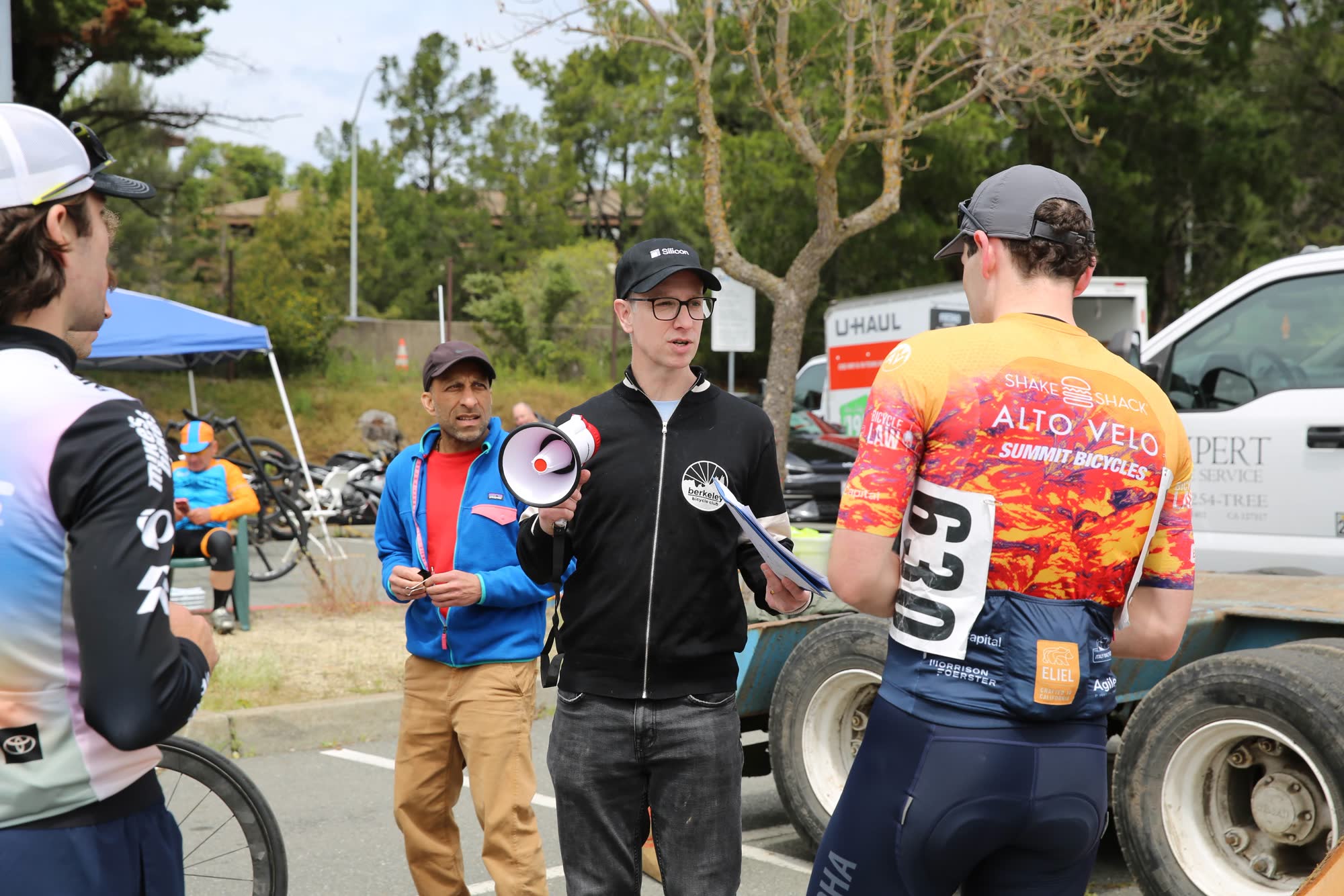
When the Berkeley Bicycle Club describes what produces the Omnium's proceeds, it lists four things: registration, sponsorship, volunteer hours and donations. Registration is the one racers see, so it's the one people ask about. The other three are doing a lot of the work.
There's also a fifth thing that never shows up as cash: donated products and services. Most of the prizes are sponsor merchandise. The feed zone bottles, the kids clinic and the ice cream after the kids race all came from partners in 2026. None of that passes through a bank account, but the weekend would look different without it.
It helps to keep two numbers apart. Gross registration revenue is what racers pay in total. What's left after the race is paid for is a much smaller number, and it's the one that decides whether there's anything to give away at the end.
What a race has to pay for
Sanctioning and permits come first. Both of our races are USA Cycling sanctioned and run under the Northern California Nevada Cycling Association, which is what makes them official races with officials, rules and results that count. One thing that surprises people: if you buy a one-day license, that money goes to USA Cycling, not to the race.
Safety is one of the biggest pieces of work, and it looks completely different on each day. On Saturday that means junctions on open roads; the 2024 plan put California Highway Patrol officers at the main ones. On Sunday it means closed streets, fencing and marshaled crossings in downtown Berkeley.
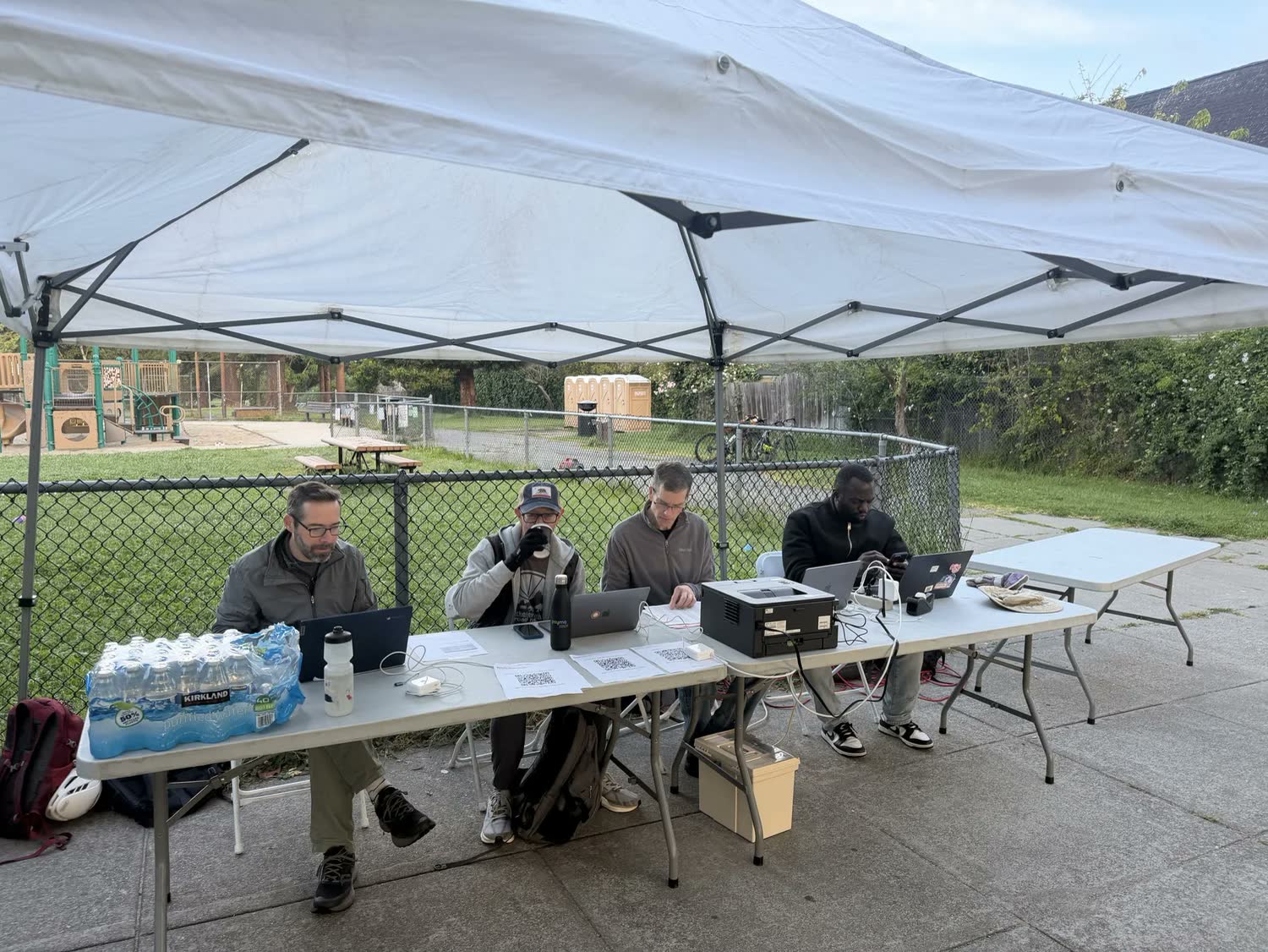
Then the race itself: USA Cycling officials, timing and results (official results have been published on OnTheDay), and medical support at the road race's Race HQ at Orinda BART. Then the stuff: cones, signs, barricades, tables, canopies, portable toilets at both venues, and a truck to move all of it.
Then what racers take home. In 2026 the Pro/1/2 fields raced for a $10,000 cash purse, split evenly between the women's and men's races and co-funded by Expert Tree Service and KaiVelo. All the other prizes were sponsor merchandise.
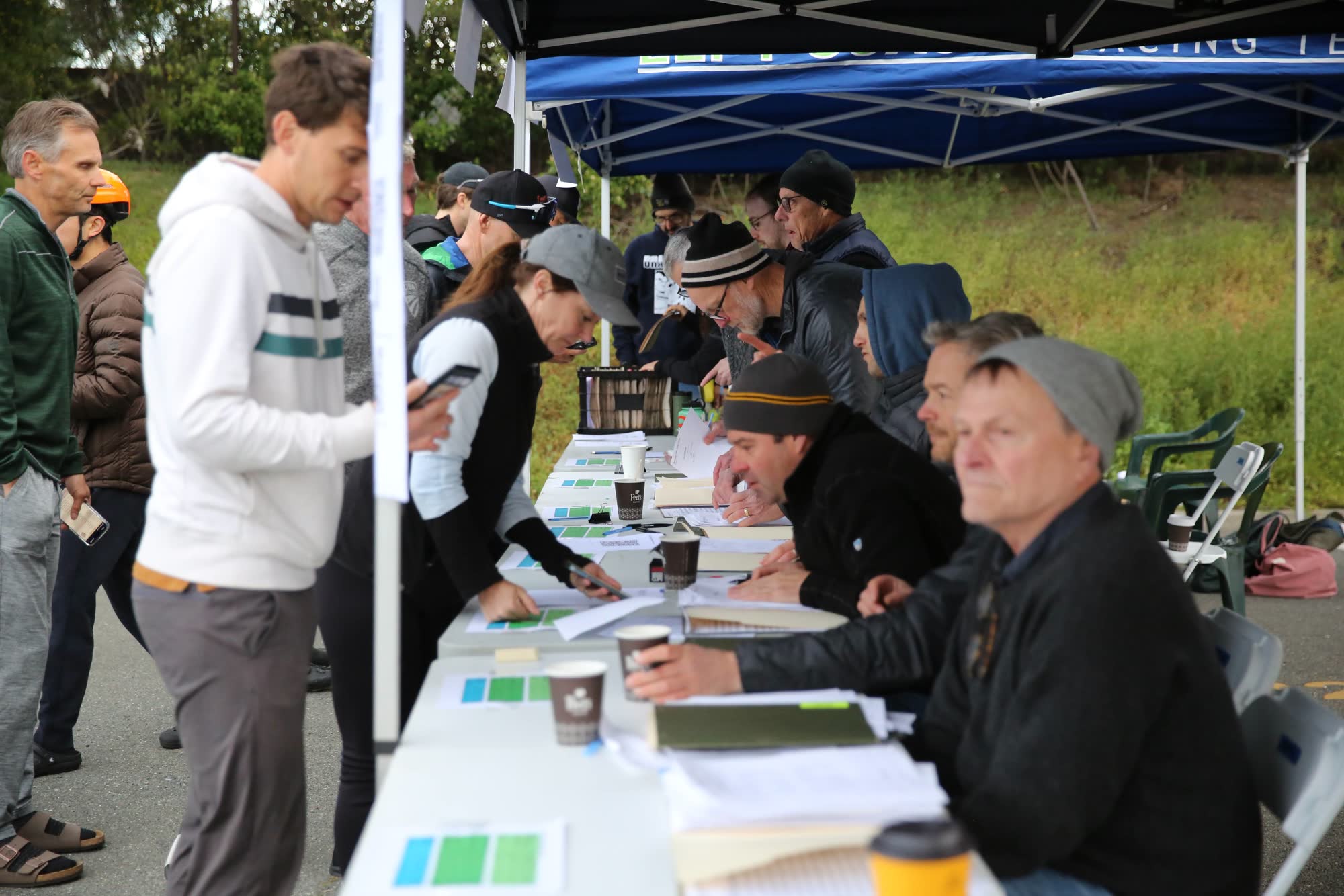
And the parts nobody photographs: online registration through BikeReg, the website, race-week emails, social posts, flyers in bike shops.
Why a road race and a crit cost different things
Bike races don't share one shopping list. Our two don't even match each other.
The Berkeley Hills Road Race is spread out. It runs on 18.76-mile laps of public road that stay open to traffic, so the work goes into junctions, a feed zone near the bottom of Papa Bear, a caravan of follow cars and motos behind the fields, and a sweep behind the last riders. The headquarters is a parking lot.
The Berkeley Hills Road Race →
The Berkeley Streets Criterium is compact but long. It's a 0.61-mile loop of closed streets beside Ohlone Park, which means fencing, crossings and a course that has to stay closed from early morning check-in to the end of an evening Pro/1/2 race, with a kids clinic and kids race in the middle.
The Berkeley Streets Criterium →
So a cost that's large on one day can be small or missing on the other.
The work that never shows up as an expense
Volunteer labor has value even when nobody gets a check for it. Course marshals, registration, results, setup, teardown, the feed zone, follow car drivers and the kids race crew are all volunteers. If the race had to pay for those hours, it would be a different race.
So is the organizing team. The work runs all year: planning meetings, recruiting and assigning volunteers, coordinating partners, writing to sponsors and following up, answering racer questions, building the course on race morning, cleaning it up afterward, unloading the truck the next day, and then closing out the finances once every bill and payment is in. People on the team do it around jobs, families and their own race seasons.
What it takes to put on the Berkeley Omnium →
Decisions we make before we know the numbers
Most of the commitments come before most of the money. Permits, equipment and safety plans have to be arranged well ahead, and online registration opens about 7 weeks before race weekend. We're paying for a race before we know how many people will enter it.
We also want entry to stay within reach, especially for juniors, novices and collegiate riders, without cutting what keeps the race safe and on time. Day-of entry costs $15 more and a second crit costs $20, but the base question every year is how to keep the fee reasonable and still run both days properly. Turnout, weather and the number of day-of entries are all unknown until race weekend.
What sponsors actually pay for
This is where sponsors come in. Sponsorship helps cover the essential costs so they don't all land on the entry fee. It pays for things racers notice, like the Pro/1/2 purse and the feed zone bottles, and it keeps the entry fee from having to carry everything.
In 2026 Expert Tree Service was the title sponsor and co-funded the purse with KaiVelo. Stay True Cycles sponsored the feed zone bottles, Trek hosted the kids clinic, Mr. Dewie's brought ice cream for the kids race, and a long list of local businesses supplied prizes and racer discounts. Thank you, all of you.
Where the NICA money fits
Our community raised $21,000 for local NICA teams in 2025 and $28,610 for six teams in 2026: Berkeley High School, El Cerrito High School, Albany High School, Skyline High School, Oakland Tech High School and Oakland Composite. That money goes to equipment, coaching, race opportunities and team programs.
Those totals aren't the event's revenue and they aren't its budget. A portion of every entry fee goes to the teams, and the rest of the fee goes toward running the race. Sponsorship, donations and volunteer hours are what make it possible to put on the race and still have something to give.